

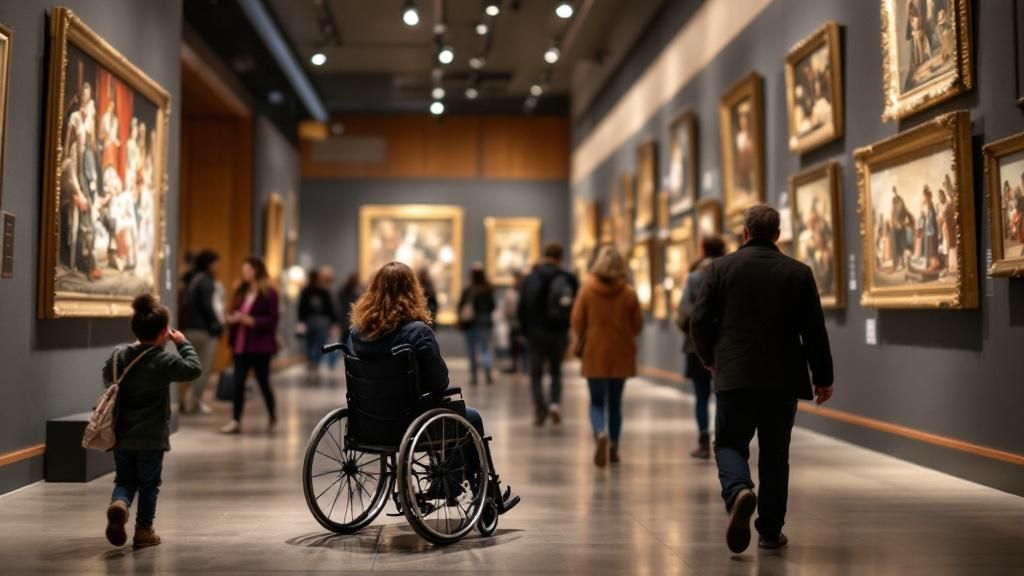
Britain’s prominent museums are launching a fundamental accessibility overhaul, acknowledging that cultural assets should be available to everyone, without regard to physical ability or disability. From enhanced wheelchair access and accessible sensory experiences to innovative digital programmes, these institutions are dismantling longstanding barriers that have historically excluded people with disabilities. This article examines the transformative programmes redefining the cultural institutions, considers the organisations championing this essential transformation, and assesses how these programmes are redefining what equitable heritage access genuinely represent for people across the UK.
Physical Access Upgrades Throughout Key Organisations
Major museums across the United Kingdom have completed comprehensive renovations to improve physical access for visitors with disabilities. The British Museum, V&A Museum, and the National Gallery have invested significantly in installing ramps, lifts, and accessible amenities throughout their galleries. These improvements go further than basic wheelchair access, incorporating wider corridors, accessible facilities with changing areas, and designated rest areas carefully located throughout gallery spaces. Such infrastructure enhancements demonstrate a genuine commitment to guaranteeing that disabled visitors can navigate museums independently and comfortably whilst viewing collections without avoidable obstacles.
Beyond structural changes, institutions have focused on disability-friendly parking options and enhanced navigation solutions created with visitors with mobility challenges. Many museums now deliver barrier-free pathways that bypass stairs entirely, allowing visitors to explore complete exhibition spaces without meeting hindrances. Staff development initiatives have been established to support disabled guests effectively, whilst adapted seating arrangements has been introduced within exhibition areas. These integrated measures reflect a significant change in cultural thinking, acknowledging that barrier-free design is vital to establishing authentically accessible environments where all visitors can interact substantially with the nation’s valued cultural holdings.
Technological Advancement and Web-Based Access
British museums are harnessing cutting-edge technology to democratise access to their archives, acknowledging that online services can reach disabled visitors who may experience access difficulties to attending in person. immersive digital environments, high-resolution online collections, and interactive digital exhibitions now allow individuals with movement difficulties, sight loss, and other disabilities to discover cultural treasures from home. These initiatives complement facility upgrades, confirming that digital innovation acts as a meaningful tool rather than a secondary addition.
Major institutions have committed substantial resources in inclusive digital interfaces, deploying features such as adjustable text sizes, spoken narration, and keyboard navigation functionality. Museums are also creating custom-built apps and digital guides intentionally created for visitors with hearing impairments, providing detailed subtitles and British Sign Language interpretation. By placing priority on web accessibility guidelines, British museums are establishing themselves as leaders in accessible heritage experiences, illustrating that thoughtful design can genuinely enrich experiences for all visitors.
Dedicated Programmes and Assistance Services
British museums are creating bespoke programmes specifically designed to meet the varying requirements of disabled visitors. These initiatives encompass specialist sensory experiences offering smaller group sizes, dimmed lighting adjustments, and reduced sound levels for those with autism or sensory processing challenges. Museums are also engaging trained personnel experienced in disability awareness and accessibility guidelines. Many museums now deliver personalised tour guides who modify their presentations to accommodate different ways of communicating and cognitive needs, confirming every visitor obtains substantive interaction with displays.
Assistance programmes have grown significantly, with museums providing accessible facilities including adapted restrooms, quiet zones, and dedicated peaceful areas for visitors needing breaks. Guide dogs are permitted in all exhibition spaces, and staff members undergo thorough training to support visitors with mobility impairments, visual or hearing loss, and cognitive support needs. Museums work closely with disability organisations to develop programmes reflecting genuine community feedback. Advance booking systems enable guests to arrange additional support, whilst team presence ensures personalised assistance throughout visits, fundamentally transforming the museum experience for visitors with disabilities.
Looking ahead, British museums remain focused on continuous improvement, channelling resources into innovative digital tools and inclusive access initiatives. Ongoing dialogue with disabled communities confirms initiatives stay relevant and impactful. These comprehensive specialist programmes demonstrate that accessibility extends further than building alterations, including considerate, individual-focused assistance that truly embrace all visitors into Britain’s cultural institutions.
